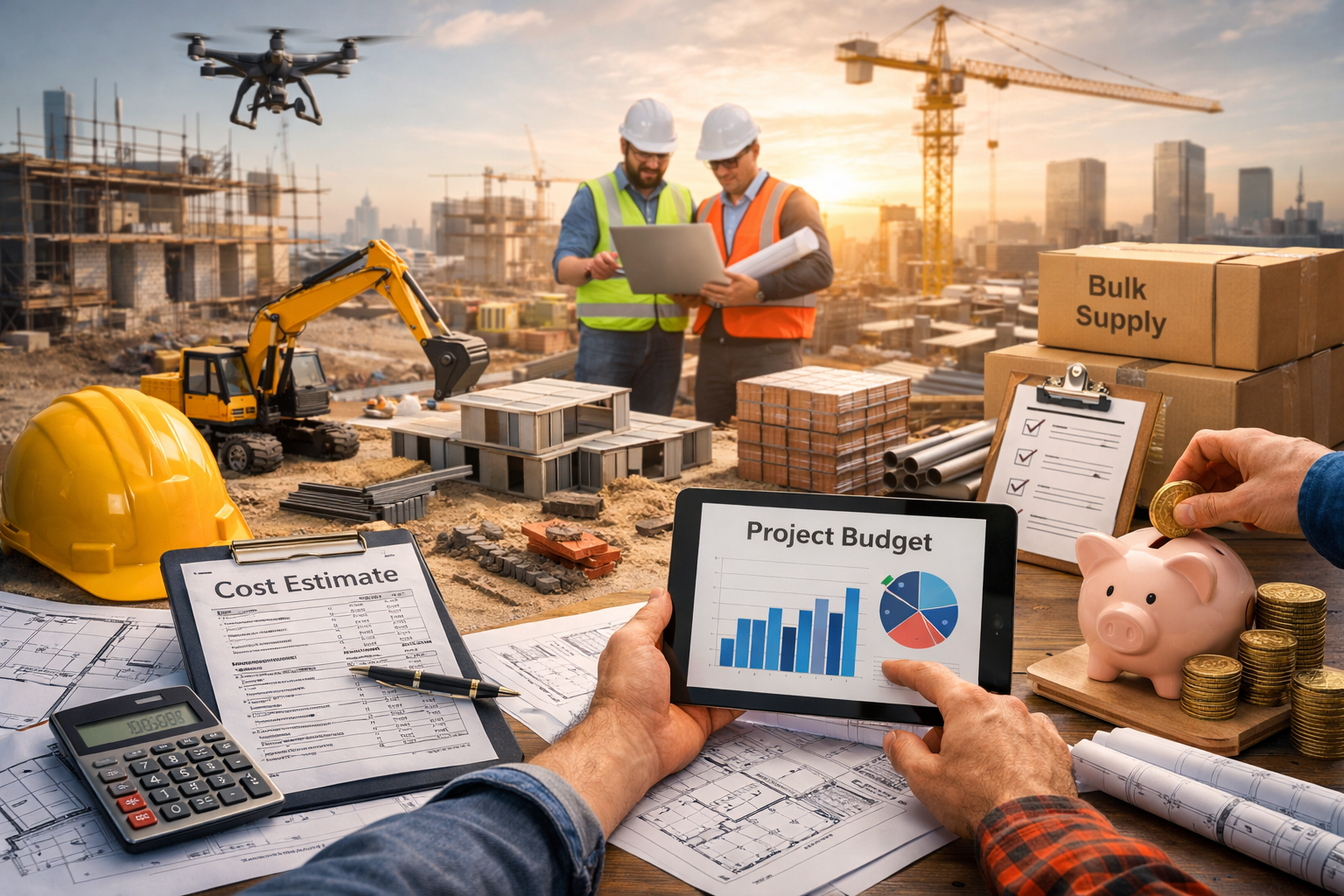
In the construction industry, success begins long before the first shovel hits the ground. Accurate cost estimation and smart budgeting are the backbone of every profitable project. Whether you are building a small residential home or a large commercial structure, understanding how to estimate costs and manage budgets can mean the difference between profit and loss. This is where professional cost estimating services play a vital role, helping contractors, developers, and project owners make informed financial decisions from day one.
What Is Construction Cost Estimation?
Construction cost estimation is the process of forecasting the total expenses involved in completing a building project. It covers everything from raw materials and labor to equipment, permits, and overhead costs. A reliable estimate serves as a financial blueprint that guides every phase of the project.
A well-prepared estimate includes the following key components:
- Material costs – quantity and price of all building materials required
- Labor costs – wages for skilled and unskilled workers
- Equipment and machinery costs
- Subcontractor fees and specialty trade work
- Permits, inspections, and contingency reserves
The Importance of Professional Cost Estimating Services
Hiring professional cost estimating services is one of the smartest investments a construction estimating company can make. These services provide detailed, data-driven estimates that reduce the risk of budget overruns, help win competitive bids, and ensure financial transparency throughout a project's lifecycle.
Key benefits of using professional cost estimating services include:
- Accuracy – reduces human error and miscalculations
- Time savings – faster turnaround on bids and proposals
- Competitive advantage – better pricing to win more contracts
- Risk management – identifying potential cost issues before construction begins
Budgeting for Construction Projects
Budgeting goes hand in hand with cost estimation. While an estimate gives you a projected figure, a budget is the financial plan you follow throughout the project. A construction budget must be realistic, flexible, and monitored regularly to prevent cost overruns.
A typical construction budget breakdown includes:
- Pre-construction costs (site surveys, architectural plans, permits)
- Direct construction costs (materials, labor, and equipment)
- Indirect costs (project management, insurance, legal fees)
- Contingency fund (typically 5–15% of the total budget)
Role of Drywall Estimating Services in Project Budgeting
Interior finishing is one of the largest cost components in any construction project, and drywall is a major part of it. Accurate drywall estimating services ensure that contractors can precisely calculate the quantity of drywall sheets, joint compounds, screws, and labor required for a project.
Without a proper drywall estimate, projects risk running out of materials, paying for excess inventory, or undercharging clients. Drywall estimating services help in the following ways:
- Accurate material takeoffs based on blueprints and floor plans
- Detailed labor hour calculations for hanging, taping, and finishing
- Identification of specialty drywall needs (fire-rated, moisture-resistant)
- Waste factor analysis to reduce material overruns
Common Challenges in Construction Cost Estimation
Even experienced estimators face challenges when calculating project costs. Some of the most common issues include:
- Fluctuating material prices due to market conditions and supply chain disruptions
- Incomplete or unclear project drawings and specifications
- Underestimating labor hours for complex or specialized work
- Unexpected site conditions that require additional work
- Scope changes during construction that affect the original estimate
The best way to overcome these challenges is to use up-to-date cost databases, consult with experienced estimators, and build a reasonable contingency buffer into every project budget.
Tips for Effective Construction Budgeting
Successful budgeting requires discipline, attention to detail, and the right tools. Here are some practical tips to manage your construction budget effectively:
- Start with a detailed scope of work before preparing any estimates
- Use professional estimating software for precision and efficiency
- Review and update the budget regularly as the project progresses
- Compare actual costs versus estimated costs at each project phase
- Maintain open communication between project owners, contractors, and estimators
Conclusion
Cost estimation and budgeting are not just numbers on a spreadsheet — they are the foundation of a successful construction project. From initial planning to final handover, having a clear and accurate financial roadmap ensures that your project is completed on time, within scope, and within budget. By leveraging professional cost estimating services and specialized trade estimations, construction businesses can minimize financial risk, improve profitability, and deliver better results for their clients. Investing in the right estimating approach today means fewer surprises and greater success tomorrow.